
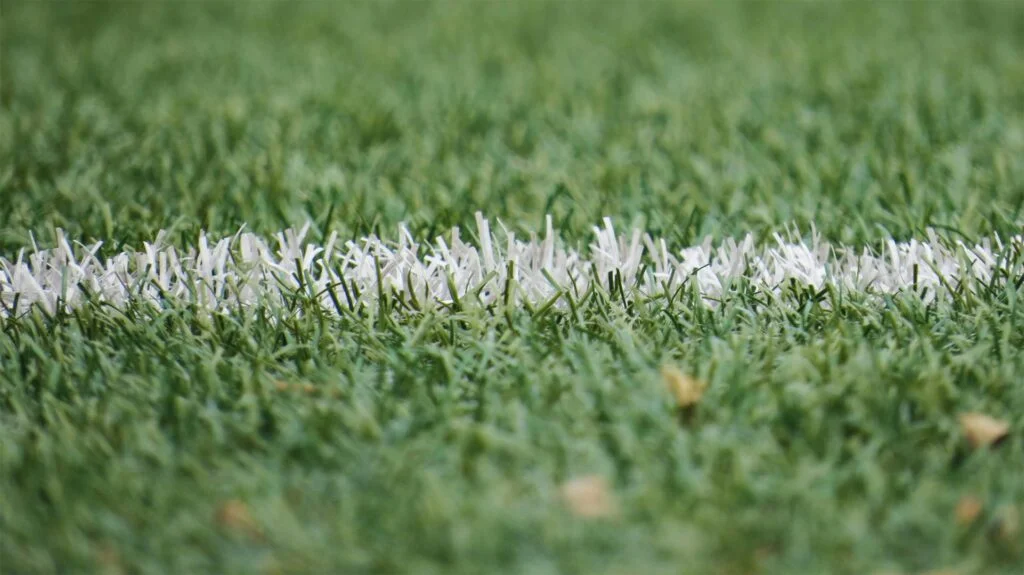
Artificial turf, also known as synthetic grass, is made using high-quality polyethylene or polypropylene fibers that mimic the look and feel of natural grass. It is installed over a prepared base and often includes infill materials like silica sand or rubber granules for enhanced performance.
Benefits of Artificial Turf
1. Low Maintenance
Artificial grass eliminates the need for watering, mowing, and fertilizing, saving both time and money.
2. All-Weather Usability
It performs well in extreme heat, heavy rainfall, and high foot traffic, making it ideal for Indian conditions.
3. Long Lifespan
High-quality turf can last 8–10 years or more with proper care.
4. Consistent Performance
For sports applications, it ensures uniform ball bounce and better player safety.
5. Eco-Friendly Solution
It conserves water and reduces the use of harmful chemicals like pesticides and fertilizers.
Applications of Artificial Turf
Artificial turf is versatile and widely used across different sectors:
- Sports Facilities: Football, cricket, tennis, hockey, and multi-sport courts
- Residential Spaces: Gardens, terraces, balconies
- Commercial Areas: Hotels, schools, offices, event venues
- Playgrounds: Safe and cushioned surfaces for children
How to Choose the Right Turf
Choosing the correct turf depends on your specific needs:
- For Football Grounds: 40–60mm pile height for better shock absorption
- For Tennis Courts: Shorter pile height for controlled ball bounce
- For Landscaping: Soft, dense turf for aesthetic appeal
Also consider yarn quality, density, UV resistance, and warranty before making a decision.
Artificial Turf vs Natural Grass
| Feature | Artificial Turf | Natural Grass |
|---|---|---|
| Maintenance | Very Low | High |
| Water Usage | Minimal | High |
| Durability | High | Moderate |
| Weather Impact | Resistant | Affected |
| Long-Term Cost | Cost-effective | Expensive |
Artificial turf clearly offers a more practical and sustainable solution, especially in urban environments.
Installation Process of Artificial Turf
A proper installation process ensures durability and performance:
- Site Preparation – Clearing and leveling the surface
- Base Work – Laying crushed stone and compacting it
- Drainage Setup – Ensuring proper water flow
- Turf Laying – Rolling and fixing the turf
- Infill Application – Adding sand or rubber granules
- Finishing – Brushing and final inspection
Professional installation is always recommended for long-lasting results.
Importance of Base Work
The foundation of artificial turf plays a critical role in its performance. Poor base preparation can lead to uneven surfaces and waterlogging issues.
A strong base ensures:
- Proper drainage
- Surface stability
- Extended turf lifespan
Cost of Artificial Turf Installation in India
The cost of artificial turf depends on several factors:
- Turf quality and pile height
- Area size
- Infill materials
- Base construction
- Installation charges
While the initial investment may be higher than natural grass, artificial turf saves significant costs on maintenance, water, and repairs over time.
Maintenance Tips for Artificial Turf
Although low maintenance, regular care helps extend turf life:
- Brush the surface to maintain fiber alignment
- Remove dust and debris regularly
- Check infill levels for sports turf
- Avoid heavy objects for long durations
- Ensure proper drainage
Why Artificial Turf is Perfect for Indian Climate
India’s diverse climate—ranging from extreme heat to heavy monsoons—makes natural grass difficult to maintain.
Artificial turf is designed to:
- Resist UV damage and fading
- Drain water quickly during rains
- Handle heavy usage without wear
This makes it a reliable solution for both residential and commercial applications.
Latest Trends in Artificial Turf
Modern turf solutions are evolving beyond traditional uses:
- Rooftop gardens and terrace landscaping
- Indoor décor and wall installations
- Hybrid sports systems
- Eco-friendly and recyclable turf materials
Artificial turf is now a key element in contemporary design and infrastructure.
Conclusion
Artificial turf is a smart investment for anyone looking to create durable, low-maintenance, and visually appealing spaces. Whether for sports, landscaping, or commercial use, it offers unmatched performance and long-term value.
With the right selection, proper installation, and basic maintenance, artificial turf can transform any space into a functional and attractive environment.
