
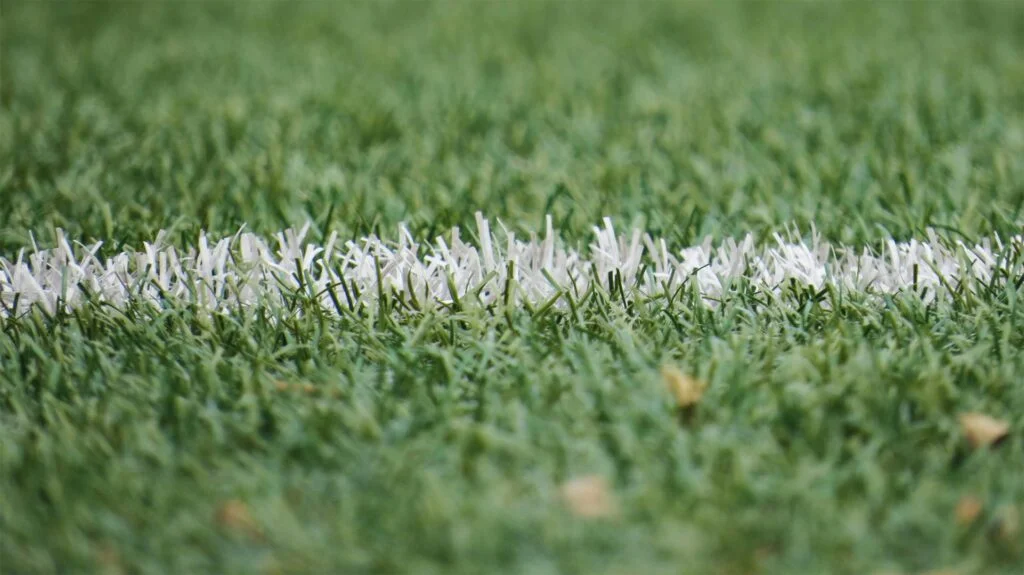
Artificial turf has become a popular choice for sports fields, residential landscaping, and commercial spaces due to its durability and low maintenance. One of the most common questions people ask before investing is: how long does artificial turf last? The answer depends on several factors, including quality, usage, installation, and maintenance.
On average, high-quality artificial turf can last 8 to 10 years, and in some cases even longer with proper care. For low-traffic residential areas, turf may maintain its appearance for over a decade, while high-use sports facilities may experience slightly faster wear.
Factors That Affect Artificial Turf Lifespan
1. Quality of Turf Material
The lifespan of artificial grass largely depends on the quality of fibers used. Premium polyethylene yarns are more durable, UV-resistant, and better at maintaining their structure over time. Low-quality turf may fade or flatten quickly, reducing its lifespan.
2. Usage and Foot Traffic
Areas with heavy usage, such as football grounds or sports academies, experience more wear and tear compared to residential gardens or decorative spaces. The more frequently the turf is used, the faster it may show signs of aging.
3. Installation Quality
Proper installation plays a crucial role in determining how long turf lasts. A well-prepared base, correct infill application, and proper drainage system ensure stability and longevity. Poor installation can lead to uneven surfaces and early damage.
4. Weather Conditions
Artificial turf is designed to withstand extreme weather, but constant exposure to harsh sunlight, heavy rainfall, or dust can impact its lifespan over time. High-quality turf with UV protection performs better in Indian climates.
5. Maintenance Practices
Although artificial turf requires minimal maintenance, regular care helps extend its life. Simple practices like brushing, cleaning, and checking infill levels can prevent early wear and maintain its appearance.
Signs That Your Turf Needs Replacement
Even durable turf will eventually show signs of aging. Here are some indicators:
- Fibers becoming flat or worn out
- Fading color due to UV exposure
- Uneven surface or base issues
- Reduced cushioning and comfort
If these issues become noticeable, it may be time to consider replacing the turf.
How to Increase the Lifespan of Artificial Turf
To get the most out of your investment, follow these simple tips:
- Brush the turf regularly to maintain fiber shape
- Remove dust and debris to keep it clean
- Avoid dragging heavy objects across the surface
- Ensure proper drainage to prevent water buildup
- Use high-quality infill materials for sports applications
With proper care, artificial turf can continue to perform well for many years.
Artificial Turf vs Natural Grass Lifespan
Compared to natural grass, artificial turf offers a longer and more reliable lifespan. Natural grass requires constant maintenance and can get damaged due to weather and heavy usage. Artificial turf, on the other hand, maintains its structure and usability with minimal effort, making it a more practical choice.
Conclusion
Artificial turf is a long-lasting and cost-effective solution for modern spaces. While the average lifespan ranges between 8 to 10 years, proper installation, quality materials, and regular maintenance can extend its durability even further.
Whether you are installing turf for sports or landscaping, investing in high-quality artificial grass ensures better performance, aesthetics, and long-term value.
